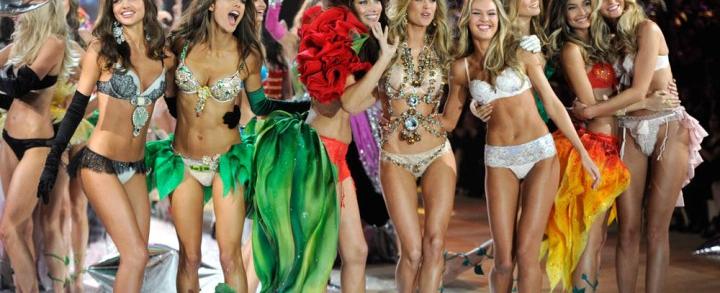
Explore the full history of the Victoria's Secret Fashion Show — from its 1995 debut to its 2019 cancellation — and the Angels who defined an era of glamour.
In the world of fashion and glamour, few events have ever achieved the dazzling allure and global appeal of the Victoria's Secret Fashion Show. For over two decades, this annual extravaganza transformed the runway into a glittering spectacle of art, music, and fantasy. From the iconic "Angel" wings to the star-studded performances, each show promised a mesmerizing blend of fashion and entertainment. It wasn't just a display of stunning lingerie; it was a cultural phenomenon that shaped the careers of supermodels and redefined the boundaries of fashion shows. Dive with us into the sequined history of this legendary event.
I. Opening the Wardrobe: The Genesis of an Icon
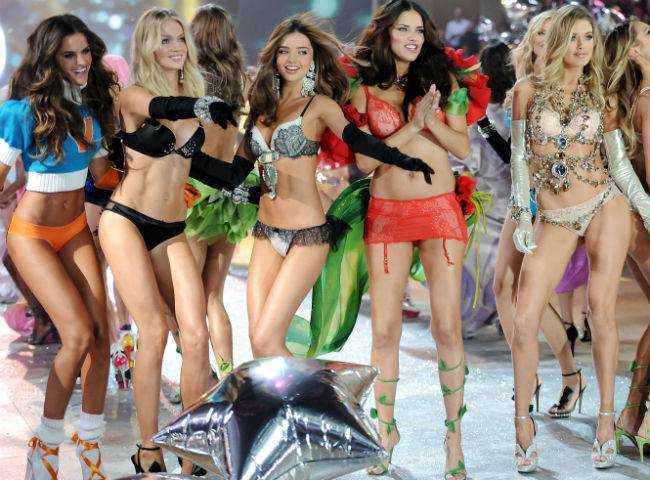
Welcome, fashion enthusiasts, trendsetters, and everyone bewitched by the allure of high fashion. Unravel the captivating tale of the Victoria's Secret Fashion Show — a spectacle that transcended the boundaries of mere fashion events to become a globally celebrated phenomenon.
The Victoria's Secret Fashion Show was a dazzling amalgamation of fashion, music, entertainment, and artistry. Conceived in 1995, it transformed from a relatively modest presentation into a scintillating global event, fusing fashion, entertainment, and pop culture. Its success lay not just in showcasing lingerie, but in elevating it into a symbol of luxury, aspiration, and self-expression.
The inception of this iconic show can be traced to August 1995 at New York City's Plaza Hotel. In stark contrast to its future grandeur, the first show was a low-key affair. There was no live telecast, no glittering array of superstars, and no globally recognized supermodels on the runway. The audience comprised industry insiders and journalists. It was a private gathering — a mere glimmer of the brilliance it would eventually radiate.
The idea was revolutionary in its simplicity: take lingerie, an essential but often overlooked part of a woman's wardrobe, and transform it into mainstream fashion. Create a platform that would not only display lingerie but celebrate it, turning it into a fashionable statement that women around the world could connect with and aspire to.
What set the Victoria's Secret Fashion Show apart was its ability to create a vivid and emotionally engaging narrative. It wasn't merely about garments; it was about a lifestyle — an aura of confidence, allure, and empowerment. The show was a kaleidoscope of themes, from sultry romantic to whimsical fantasy, each telling a story that resonated with different facets of femininity.
II. The Show Takes Flight: Evolution and Internationalization
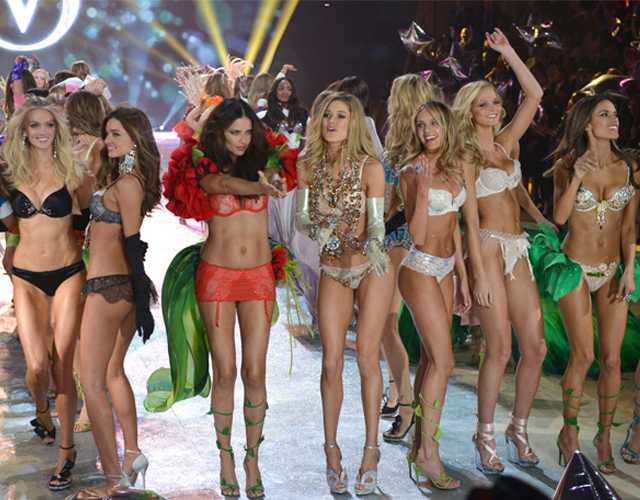
The early days were marked by intimacy and modesty. But a vision was set in motion, and the wheels of transformation were turning. The subsequent years saw a relentless pursuit of innovation, creativity, and global appeal.
The metamorphosis began in 1999 when the Victoria's Secret Fashion Show was broadcast on the internet for the first time, attracting over 1.5 million viewers. This was a game-changer, opening the doors to a global audience and positioning the brand at the forefront of digital innovation.
In 2001, the show made its television debut. This move catapulted Victoria's Secret into mainstream pop culture, allowing it to reach households across America and beyond. The synergy of fashion, music, and entertainment created a viewing experience unlike any other.
The Victoria's Secret Fashion Show also set its sights on the world stage. In 2000, the show left the shores of the United States for the first time, gracing the glamorous city of Cannes, France. Subsequent years saw the show traveling to London and Shanghai — each location bringing unique flavor, style, and inspiration.
III. Walking Among the Angels: The Supermodels Who Defined an Era
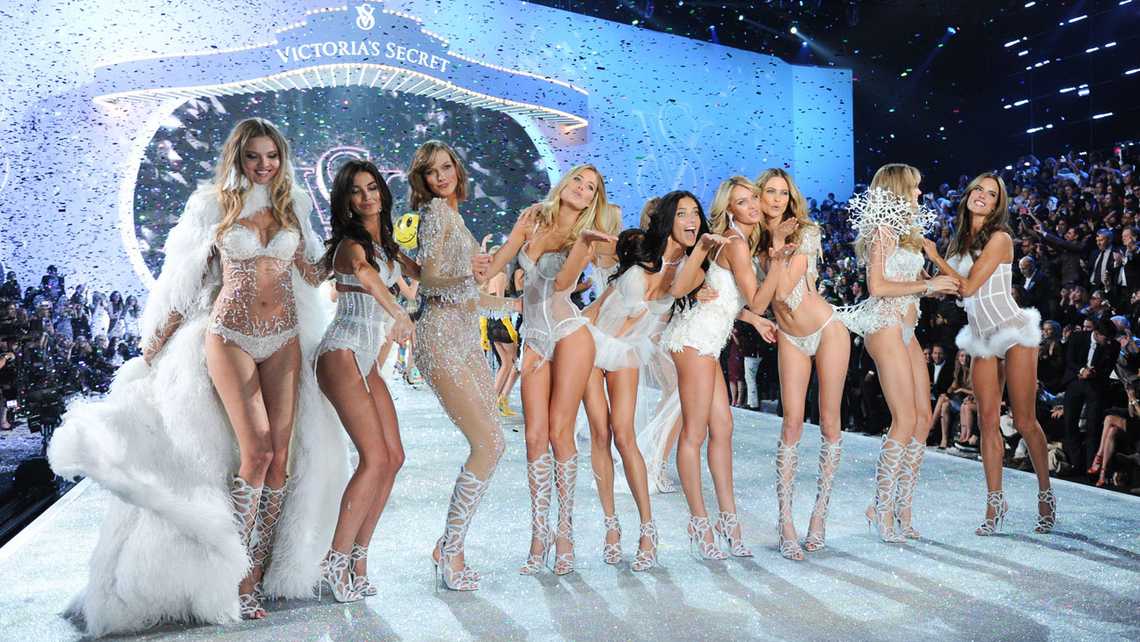
The heart of the show's magnetic appeal was always its models. These women weren't just mannequins parading down the runway; they were the embodiment of an ideal — the personification of allure, glamour, and grace.
In the late '90s and early 2000s, the show began to feature names that resonated far beyond the fashion industry. Supermodels like Gisele Bündchen, Tyra Banks, and Heidi Klum brought an added dimension of celebrity to the runway.
The concept of the "Victoria's Secret Angel" was introduced in 1997, and it quickly became one of the most coveted titles in modeling. Models like Adriana Lima, Alessandra Ambrosio, and Candice Swanepoel donned these iconic wings, becoming the faces of the brand and global fashion icons in their own right.
Becoming an Angel was more than just a contract; it was a coronation. The women who earned their wings became part of an elite sorority that represented beauty, grace, and strength. The show also became a launching pad for aspiring models — a debut on this runway often signaled a career about to take flight.
IV. A Symphony of Style and Sound: Music and Performances
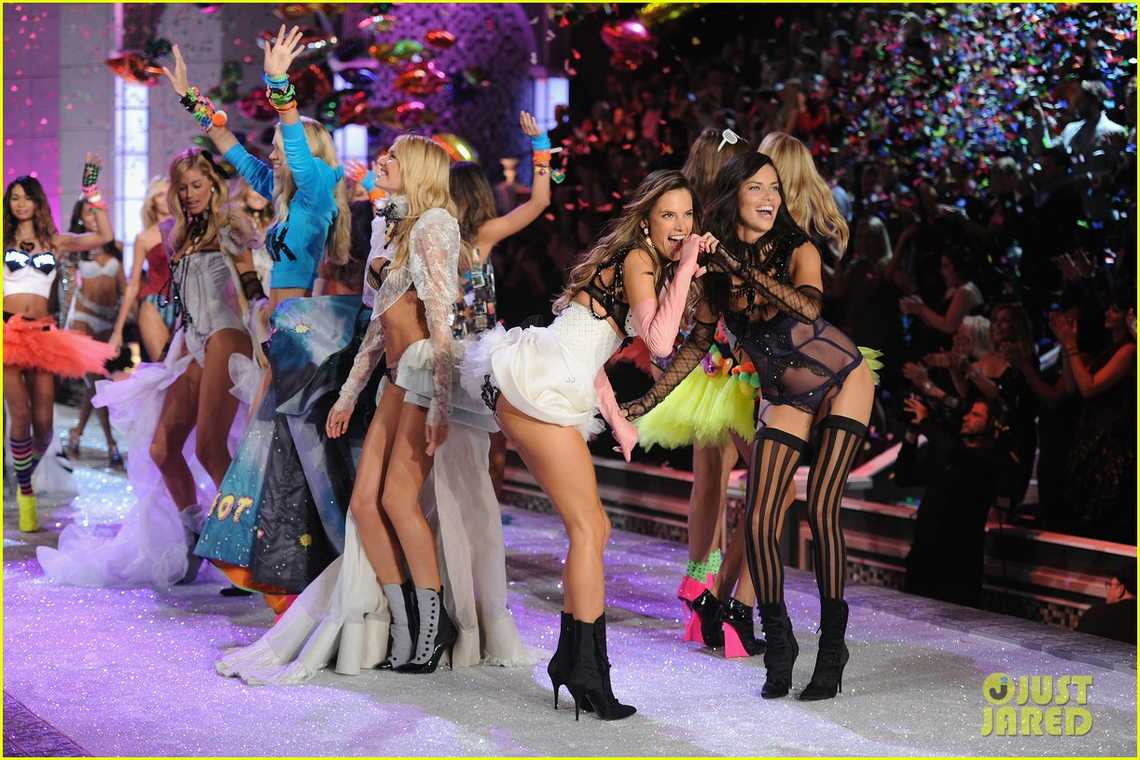
The marriage of music and fashion in the Victoria's Secret Fashion Show was about more than entertainment; it was about creating an atmosphere and connecting with audiences on an emotional level. The right music elevated the garments, brought the themes to life, and turned the runway into a dance floor.
The 2001 show marked a turning point when Mary J. Blige and Andrea Bocelli performed. This set the stage for an impressive roster of musical legends in the years to follow — from Justin Timberlake, Taylor Swift, and Rihanna to Sting, Maroon 5, and The Weeknd.
The collaboration between models and musicians on the runway created magical moments. Iconic instances included The Weeknd performing "Can't Feel My Face" as Selena Gomez cheered him on, and Lady Gaga, Bruno Mars, and The Weeknd all sharing the stage together in 2016.
The interplay of music and fashion created an experience that engaged audiences visually, emotionally, and audibly — turning a fashion show into a concert.
V. Innovating the Runway: Design, Technology, and Artistry
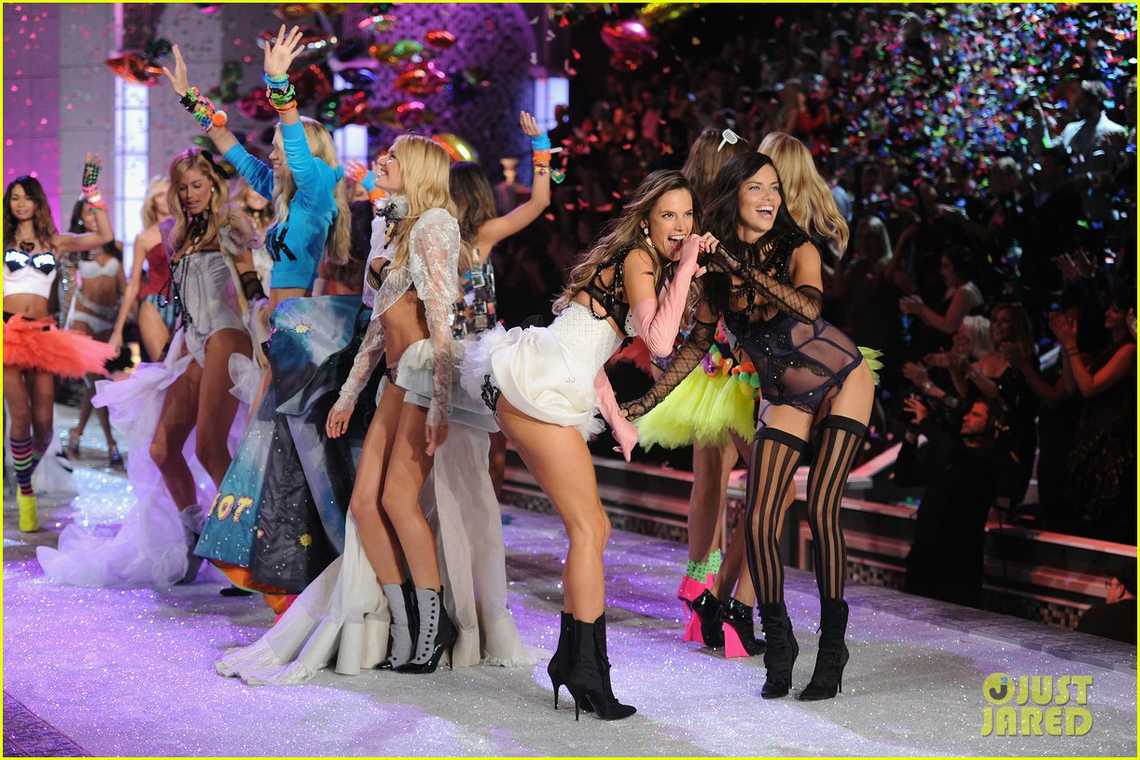
This wasn't merely a display of lingerie; it was a theatrical production, a visual feast, and a technological marvel.
Themes and Inspirations: Each show was built around themes that guided the entire visual narrative — from "Romantic Journey" to "Sexy Pop Princesses." These themes inspired every element, from costumes to sets.
Costume Design: Perhaps the most iconic elements were the costumes themselves. These were not mere garments but works of art, often handcrafted with meticulous attention to detail. Materials ranged from Swarovski crystals to exotic feathers, and designers often spent hundreds of hours on a single piece.
Technology and Innovation: From advanced lighting techniques to cutting-edge visual effects, technology infused the show with a sense of wonder. Live streaming and social media integration connected the show with global audiences in real time.
Collaboration and Teamwork: The underlying force that made all this magic possible was collaboration. Designers, technicians, directors, artists, and models all worked in unison toward a shared vision.

VI. More Than a Show: Cultural Impact and Legacy
The Victoria's Secret Fashion Show transcended the boundaries of a typical fashion event to become a widely anticipated cultural institution. It drew millions of viewers worldwide and became a fixture in popular culture.
Marketing Genius: At its core, the show was also a masterclass in brand marketing. It kept Victoria's Secret at the top of the lingerie industry and created global buzz around its products year after year.
Diversity and Representation: While the show made strides in ethnic diversity over the years, it was consistently criticized for lack of size diversity and for promoting unrealistic body standards — a tension that ultimately contributed to its downfall.
Social Media Pioneer: The show's embrace of social media was ahead of its time. Backstage Instagram stories, live tweets, and digital engagement created a sense of inclusivity that extended the show's reach far beyond the runway audience.
VII. Unveiling the Mystique: Behind the Scenes
What appeared to be a seamless spectacle was the result of immense planning, precision, and human emotion.
The Casting Process: Casting calls were famously intense, with models from around the world vying for a spot on the most coveted runway. From newcomers to seasoned professionals, the selection process was filled with anxiety, excitement, and the thrill of potential stardom.
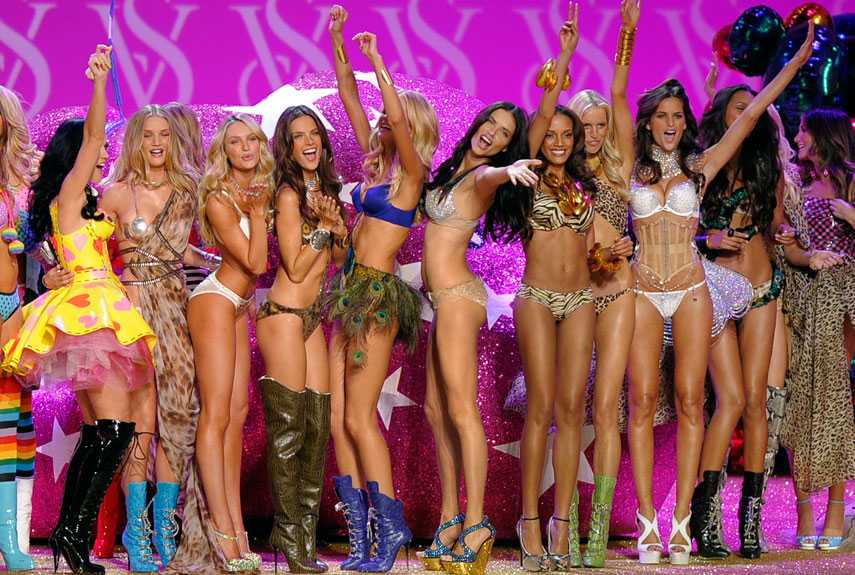
Friendships and Bonds: The camaraderie among models, designers, and crew was a unique and beautiful aspect of the show. Friendships forged in the crucible of intense preparation often lasted a lifetime.
Iconic Runway Moments: Some moments became emblematic of the show's spirit — from Adriana Lima's emotional farewell walk to Gisele Bündchen's confident stride in the Fantasy Bra.
VIII. The Rise of Supermodels: Turning the Runway into Stardom
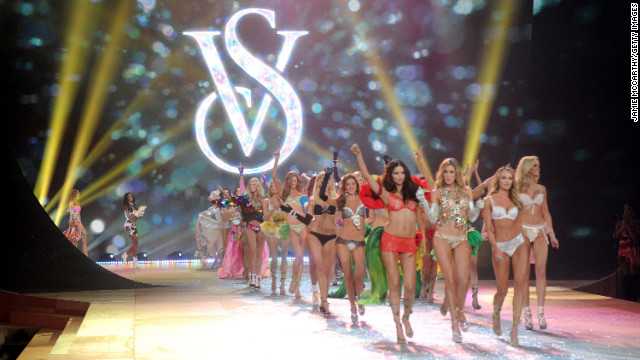
The Victoria's Secret Fashion Show was a launchpad for supermodels — a platform where emerging talents became international sensations.
The introduction of the "Angel" title in 1997 created an elite category of model-celebrity that hadn't existed before. Icons like Tyra Banks, Gisele Bündchen, Heidi Klum, Adriana Lima, and Alessandra Ambrosio became synonymous with the brand. Being broadcast to tens of millions of viewers worldwide gave these models unparalleled global exposure.
The association with Victoria's Secret became one of the most prestigious marks in a model's portfolio, shaping recruitment strategies and contract negotiations across the entire modeling industry.
IX. The Final Bow: Analyzing the Cancellation
The Victoria's Secret Fashion Show was an institution. But in 2019, the curtains were drawn on this iconic event — marking a significant turning point in fashion history.
A Changing Landscape: The cancellation reflected the evolving dynamics of the fashion industry. There was a growing shift toward inclusivity, authenticity, and broader representation. The traditional format was increasingly seen as out of sync with these modern sensibilities.
Economic Factors: Ratings had been in decline, and the enormous production costs were no longer yielding the same marketing return. In an era of digital and social media, the show's economic viability had come into question.
Public Perception: The show faced sustained criticism for its lack of size diversity, cultural appropriation allegations, and controversial public statements by executives. These factors contributed to a fundamental shift in public perception.
The final bow was more than the end of a show; it was the conclusion of a chapter in fashion history. For those who had been part of this incredible journey, it was an emotional moment — tears, smiles, and a profound sense of having witnessed something unrepeatable.
X. Conclusion: The Enduring Legacy
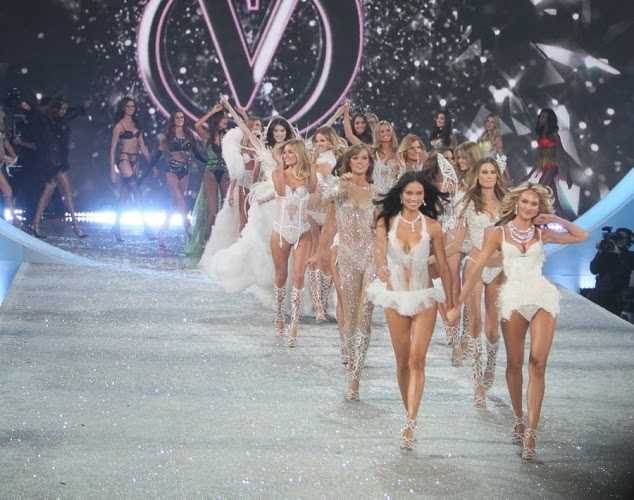
The Victoria's Secret Fashion Show was more than a runway event; it was a cultural phenomenon that left an indelible mark on fashion, music, and entertainment. From its 1995 inception to its 2019 grand finale, it became synonymous with glamour, creativity, and innovation.
Throughout its journey, the show reflected societal trends, pushed artistic boundaries, and celebrated the complexity of the human experience. It provided a platform for artists, designers, and models, influencing fashion's global landscape and inspiring generations.
The show's cancellation signaled a turning point — highlighting the fashion industry's need to adapt, to be more inclusive, and to stay responsive to cultural change. Its end marked not just the closing of one chapter, but the opening of new possibilities for how fashion presents itself to the world.
The Victoria's Secret Fashion Show is not just a memory; it's a milestone, a muse, and a mirror reflecting the ever-evolving story of fashion.
FAQ
When did the Victoria's Secret Fashion Show start and end?
The Victoria's Secret Fashion Show ran from 1995 to 2018, with its cancellation announced in 2019. The first show took place at the Plaza Hotel in New York City in August 1995, and the final show aired on ABC in December 2018.
Who were the most famous Victoria's Secret Angels?
The most celebrated Angels include Adriana Lima (who walked the show for 18 years), Alessandra Ambrosio, Candice Swanepoel, Heidi Klum, Gisele Bündchen, and Tyra Banks. More recent Angels include Behati Prinsloo, Elsa Hosk, and Jasmine Tookes.
Why was the Victoria's Secret Fashion Show cancelled?
The show was cancelled due to a combination of declining TV ratings, high production costs, ongoing controversies around lack of body diversity, cultural appropriation, and public statements by executives that damaged the brand's image. Victoria's Secret subsequently pivoted toward a more inclusive brand identity.

About the Author
Jennifer Johnson
Makeup Artist & Beauty Editor
Jennifer is a professional makeup artist with over a decade of experience in editorial fashion photography. She covers beauty, makeup artistry, and the secrets behind iconic model looks.
You Might Also Like
 Fashion & Style
Fashion Tips for Women 2026: The New Luxury Wardrobe
Fashion tips for women 2026 start with sharper tailoring, intelligent basics, and model-approved styling that makes every wardrobe work harder.
Dua Lipa’s Triple-Look Night and the New Brand Playbook
Dua Lipa’s three-look ambassadorship night shows how celebrity dressing, color strategy, and luxury branding now move in sync across fashion.

 Fashion & Style
Fashion Career Guide for Women Breaking In for 2026
A sharp fashion career guide for women mapping editor, stylist, PR, content, and runway-adjacent roles shaping fashion industry jobs in 2026.
