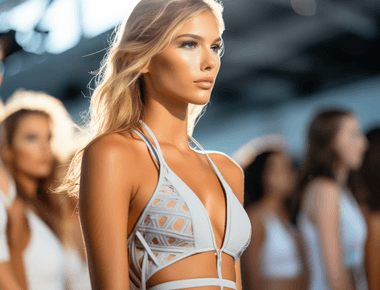
Ready to start a modeling career? This comprehensive 10-step guide covers everything from finding your niche to building a portfolio and landing agency contracts.
So, you want to be a model? That's fantastic. You're about to embark on a thrilling, glamorous journey — but let's be honest: breaking into the modeling industry is no small feat. But fear not, aspiring model; we've got you covered with 10 essential steps to jumpstart your modeling career. Let's dive in.
Step 1: Introduction to the Modeling Industry
The dream of becoming a model has captivated many, but what does it really take to step into this glittering world? The modeling industry can seem mysterious from the outside, but understanding its structure from the start gives you a significant advantage.
Understanding Different Types of Modeling
Modeling isn't one-size-fits-all. There are many paths you can take:
- Fashion Modeling: Think haute couture and runway shows. Fashion modeling showcases designers' clothing lines, and typically requires height, poise, and the ability to command a catwalk.
- Commercial Modeling: More accessible and covering a wider range of looks, commercial modeling includes advertisements, catalogs, and magazines. It's about selling a product or service in a relatable way.
- Plus-Size Modeling: The fashion world is finally embracing body diversity, and plus-size modeling is a genuinely thriving and growing category.
- Fitness Modeling: For those with a passion for health, fitness models work with athletic wear brands and demonstrate exercises in professional settings.
- Child and Teen Modeling: There's a place for young dreamers too — brands regularly seek child and teen models for campaigns and editorials.
Know the Key Players
The modeling industry is a web of interconnected roles:
- Models: That's you. Models are the face of various brands and designers.
- Agencies: The middlemen that connect models with clients. A good agency is career-defining.
- Clients: The brands, designers, or companies that hire models — from fashion designers to advertising agencies to magazines.
- Photographers: Behind every stunning image is a talented photographer. Building good relationships with quality photographers is essential.
Challenges and Realities
Yes, modeling can be glamorous, but it's not all glitz. Long hours, constant rejection, intense competition, and significant physical demands are part of the reality. The pressure to maintain a certain appearance can also take a toll on mental health — something to take seriously from the very beginning.
Building Your Brand
In the era of social media, building a personal brand is more critical than ever. How you present yourself online can significantly impact your career trajectory. Decide what you want your brand to represent and stay consistent.
Step 2: Assess Your Potential — Find Your Niche
Modeling is more than a pretty face and a confident stride. It's about finding where you fit — your unique place in an industry full of opportunity.
Identify Your Strengths and Weaknesses
Every person has a unique set of strengths. Are you tall and lean, perfect for the runway? Do you have a charming, approachable smile that could sell any product in a commercial? Recognizing what you're good at is the first step toward finding your niche.
Explore Different Modeling Categories
Your appearance, personality, and interests will guide your path:
- Print Modeling: If the camera loves you, print modeling in magazines and billboards could be your calling.
- Runway Modeling: With height and poise, the runway could be your stage.
- Alternative Modeling: Tattoos, piercings, a unique style — the alternative modeling world celebrates what makes you different.
- Body Part Modeling: Beautiful hands or feet? Body part modeling focuses on specific features.
Embrace Your Uniqueness
Your uniqueness is your greatest asset. Authenticity resonates in modeling — don't try to be someone else's version of a model.
Step 3: Build a Strong Portfolio
Your portfolio is your calling card. It's the visual resume that showcases your versatility, style, and essence.
Start with Professional Headshots
Headshots are the bread and butter of any modeling portfolio. A clear, high-quality headshot showcases your natural beauty without distraction. It's often the first image a client sees, so make it count.
Show Your Range
Your portfolio needs to reflect your ability to adapt to different styles and moods. Include casual, formal, editorial, and commercial shots to show your full range.
Work with Skilled Photographers
Your choice of photographer can make or break your portfolio. Research photographers with experience in the modeling industry — their expertise will help bring out the best in you.
Quality Over Quantity
Include 10 to 20 of your absolute best images showing a variety of styles and expressions. Make every image count.
Create a Comp Card
A comp card (composite card) is the model's equivalent of a business card. It typically features a headshot, some full-body shots, and your vital statistics (height, weight, measurements). It's a handy tool for agencies and clients to remember you.
Step 4: Networking and Connecting with Agencies
In the modeling world, your network can be your most powerful asset.
Understanding the Role of Agencies
Modeling agencies act as intermediaries between models and clients. They seek opportunities, negotiate contracts, and provide professional support. Connecting with the right agency can propel your career forward dramatically.
Researching Agencies
Before reaching out, do your homework:
- Identify agencies that specialize in your niche.
- Check reputation through reviews and industry news.
- Look at who they already represent — if you see models with similar looks or styles, it's a positive sign.
Building a Network
- Attend industry events: fashion shows, trade shows, networking gatherings.
- Leverage Instagram: connect with photographers, stylists, and agency representatives.
- Create mutual relationships: networking is about genuine reciprocity, not just what others can do for you.
Avoiding Scams
Unfortunately, not everyone in the industry has your best interests at heart. Warning signs include requests for upfront fees, high-pressure sales tactics, and guarantees that sound too good to be true. Legitimate agencies make money from commissions on jobs, not from model fees.
Step 5: Staying Healthy and Confident
Modeling isn't just about what happens in front of the camera; it's a lifestyle.
Embrace Nutritional Eating
- Focus on a diet rich in vegetables, fruits, whole grains, and lean proteins.
- Stay well-hydrated — water is the most underrated beauty tool available.
- Avoid crash diets. Quick fixes harm your health and appearance in the long run.
Stay Active
- Find a fitness routine you genuinely enjoy: yoga, jogging, Pilates, dance, or weight training.
- Stretch regularly to maintain flexibility and improve your posing.
- Balance workouts with proper rest and recovery.
Mental Well-being
- Build confidence through practice, positive self-talk, and incremental challenges.
- Surround yourself with a support system that understands the industry's demands.
- Learn stress management techniques — modeling can be emotionally demanding.
Step 6: Preparing for Auditions
Auditions are gateways to opportunity. Here's how to walk in prepared.
Pre-Audition Preparation
- Research the brand thoroughly before any audition. Know their aesthetic, target audience, and recent campaigns.
- Prepare your portfolio to align with the casting call.
- Practice your walk and poses at home.
What to Wear
- Dress simply and professionally. Neutral colors are usually preferred.
- Keep makeup minimal — let casting directors envision different looks.
- Wear shoes you can walk confidently in.
During the Audition
- Follow all instructions from casting directors carefully.
- Let your personality shine. Smile, make genuine eye contact, and be authentically yourself.
- Answer questions about your experience honestly and with confidence.
Handling Rejection
Rejection is a universal part of modeling. Stay positive, seek feedback when possible, and keep moving forward. Every "no" is one step closer to the right "yes."
Step 7: Taking Care of Your Physical Health and Appearance
In the visual world of modeling, your physical health is a professional responsibility.
A Holistic Fitness Approach
- Combine cardio, strength training, and flexibility work.
- Allow your body adequate recovery time.
- Never sacrifice long-term health for short-term aesthetic goals.
Skin and Hair Care
- Develop a consistent skincare routine suited to your skin type.
- Protect your skin with SPF daily.
- Get regular hair trims and conditioning treatments.
Sleep — The Forgotten Secret
Aim for 7 to 9 hours of quality sleep per night. Sleep is when your body recovers, your skin regenerates, and your energy replenishes. No serum or supplement can replicate its benefits.
Step 8: Building an Online Presence
In today's industry, your online presence is often your first impression.
Instagram as Your Portfolio
Instagram functions as a living, breathing portfolio. Post consistently, use high-quality images, engage with your community, and use relevant hashtags. Many models are now discovered through social media alone.
Your Digital Brand
Think carefully about what your online presence communicates. Every photo, caption, and comment contributes to your personal brand. Stay authentic, stay consistent, and don't post anything you wouldn't want a potential client to see.
Create a Website
A personal website with your portfolio, measurements, and contact information signals professionalism and makes it easy for clients and agencies to find you.
Step 9: Continuous Learning and Attending Workshops
The modeling industry is constantly evolving. Staying ahead requires a commitment to growth.
Attend Industry Workshops
From posing clinics to runway training programs, workshops taught by industry professionals will sharpen your skills and expand your network simultaneously.
Stay Current with Fashion Trends
Subscribe to Vogue, Harper's Bazaar, and WWD. Follow fashion weeks around the world. Understanding trends makes you a more informed, versatile model.
Seek Mentorship
Learning from experienced models who have navigated the industry is invaluable. Don't hesitate to ask for guidance from those who have already walked the path you're on.
Step 10: Maintaining Professionalism and Ethics
Your reputation is your career. Protect it rigorously.
Professionalism at All Times
- Be punctual, every single time. Tardiness is unprofessional and damaging to your reputation.
- Honor your commitments and communicate proactively if something changes.
- Treat everyone — photographers, stylists, assistants — with the same respect you'd show a major client.
Know Your Rights
The modeling industry has faced serious controversies over the years. Know your legal rights, understand the contracts you sign, and don't be afraid to ask questions or seek legal advice before committing to anything.
Ethics and Advocacy
More models than ever before are using their platforms to advocate for meaningful causes — sustainability, body positivity, mental health awareness. Your visibility is a responsibility. Use it thoughtfully.
Conclusion
A modeling career is one of the most competitive, demanding, and rewarding professional paths you can choose. These 10 steps — from understanding the industry to building professionalism and ethics — provide the foundation for a sustainable career.
No two modeling journeys look the same. Your path is uniquely yours. Embrace the challenges, celebrate the wins, and never lose sight of why you started. The modeling world is waiting for what only you can bring to it.
FAQ
How tall do you need to be to become a model?
Height requirements vary significantly by modeling type. High-fashion runway modeling typically requires 5'8" to 6'0" for women and 6'0" to 6'3" for men. Commercial, fitness, and alternative modeling categories are far less restrictive, with no universal height requirements.
Do you need an agency to start a modeling career?
Not necessarily, but working with a reputable agency significantly accelerates your career. Agencies provide access to clients and castings that are difficult to reach independently, negotiate better contracts, and offer professional guidance. Many models begin building their portfolios independently before approaching agencies.
How long does it take to build a modeling portfolio?
Building a strong initial portfolio typically takes three to six months, depending on your access to photographers and how quickly you can schedule test shoots. A portfolio is never truly "finished" — it should be continuously updated as your career develops and your look evolves.

About the Author
Winta Yohannes
Fashion Writer & Wedding Specialist
Winta is a fashion writer and shopping specialist who covers the business side of modeling, celebrity fashion news, and bridal styling. She brings a unique perspective rooted in diverse global fashion traditions.
You Might Also Like
 Fashion & Style
Fashion Tips for Women 2026: The New Luxury Wardrobe
Fashion tips for women 2026 start with sharper tailoring, intelligent basics, and model-approved styling that makes every wardrobe work harder.

Dua Lipa’s Triple-Look Night and the New Brand Playbook
Dua Lipa’s three-look ambassadorship night shows how celebrity dressing, color strategy, and luxury branding now move in sync across fashion.

 Fashion & Style
Fashion Career Guide for Women Breaking In for 2026
A sharp fashion career guide for women mapping editor, stylist, PR, content, and runway-adjacent roles shaping fashion industry jobs in 2026.